Are Sport Bikes Good for Daily Riding? A Comprehensive Guide for Riders
For many motorcycle enthusiasts, the thrill of riding a sport bike is unmatched. Their sharp handling, aggressive styling, and high-performance engines make every ride exhilarating. But a common question arises among riders, both new and experienced: Are sport bikes good for daily riding? While sport bikes excel on twisty roads and racetracks, their suitability for daily commuting is often debated. In this guide, we’ll explore the real-world pros and cons of using a sport bike for daily riding, share insights from personal experience, and help you determine whether a sport bike fits your everyday needs.
Understanding Sport Bikes and Their Purpose
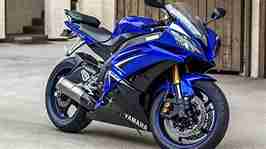
Sport bikes, also known as supersport motorcycles, are designed with performance at the forefront. They are engineered for speed, agility, and cornering precision, featuring lightweight frames, high-revving engines, and aerodynamic fairings. The riding position is aggressive, with low handlebars and high foot pegs, which encourages a forward-leaning stance. This posture maximizes control at high speeds and during sharp turns, but it can be less forgiving for daily commuting or long-distance rides.
Unlike standard motorcycles or naked bikes, sport bikes prioritize performance over comfort. The components are often tuned for precision rather than practicality, meaning that every aspect of the bike—from suspension to braking—is optimized for speed and responsiveness. While this makes them exhilarating on the track or open roads, it also introduces considerations that every daily rider should understand.

Pros of Using Sport Bikes for Daily Riding
Despite their performance-oriented design, sport bikes have certain advantages that can make them suitable for daily use, depending on the rider’s preferences and commuting environment.
Performance and Agility
One of the most notable benefits of a sport bike is its performance. The lightweight chassis, responsive throttle, and precise braking systems allow riders to navigate traffic quickly and confidently. In urban settings with stop-and-go traffic, these features can make daily riding more engaging and controlled. Riders who enjoy handling and cornering, even at low speeds, will find that a sport bike offers superior maneuverability compared to heavier cruiser or touring motorcycles.
Safety Features
Modern sport bikes often come equipped with advanced safety technology, including ABS, traction control, and adjustable ride modes. These features enhance rider confidence and provide added security during daily commutes. For example, ABS can prevent wheel lock-up during sudden braking, a common scenario in city traffic, while traction control helps maintain stability in wet or slippery conditions.
Thrill and Motivation
Another often-overlooked advantage of using a sport bike for daily riding is the emotional aspect. Riding a bike that excites you can make your commute more enjoyable and motivating. For many riders, the thrill of acceleration and the connection to the road makes daily trips something to look forward to, which can be an incentive to ride more regularly and stay engaged with the motorcycle community.
Cons of Using Sport Bikes for Daily Riding
While there are advantages, there are also challenges and drawbacks that must be considered when evaluating the question, Are sport bikes good for daily riding?
Ergonomics and Comfort
The aggressive riding position of sport bikes can be uncomfortable over extended periods. Daily commuting often involves stop-and-go traffic, long traffic lights, and crowded streets, all of which require frequent posture adjustments. The forward-leaning stance can lead to fatigue in the wrists, back, and neck, especially for riders who are not accustomed to the position. Riders with longer commutes may find this aspect particularly challenging, making ergonomics a key consideration.
Fuel Efficiency
Sport bikes tend to have high-performance engines designed for power rather than economy. While modern models are improving in fuel efficiency, riders may still find that fuel consumption is higher compared to standard or commuter motorcycles. For daily commuting, especially on longer routes, fuel costs can accumulate, making this an important factor in the overall cost of ownership.
Maintenance and Costs
Daily riding exposes a motorcycle to increased wear and tear, and sport bikes can be more expensive to maintain. High-performance tires wear faster, and components such as chains, sprockets, and brakes may require more frequent servicing. Additionally, sport bikes often demand premium fuel and periodic attention to engine tuning, which can increase maintenance costs over time. For riders on a tight budget, these factors may make sport bikes less practical than more commuter-friendly motorcycles.
Weather and Road Conditions
Sport bikes are optimized for smooth, paved surfaces and may be less forgiving on rough roads or in adverse weather conditions. The lightweight, stiff suspension designed for performance can transmit more road imperfections to the rider, leading to discomfort and fatigue. Rain, gravel, and potholes can also present additional challenges, making naked or standard bikes more practical in variable conditions.
When Sport Bikes Are Suitable for Daily Riding
Despite the challenges, many riders successfully use sport bikes for their daily commutes. The key factors that determine suitability include the length and nature of your commute, your physical fitness and comfort level, and your willingness to adapt your riding style.
Short commutes in urban environments can be ideal for sport bikes, as their agility and acceleration help navigate traffic efficiently. Riders who enjoy spirited riding and are comfortable with the aggressive posture may find that the benefits outweigh the drawbacks. Additionally, sport bikes equipped with adjustable suspension and ergonomics can improve comfort for daily use, making them more versatile than their racetrack-focused counterparts.
Personal Experience: Riding a Sport Bike Daily
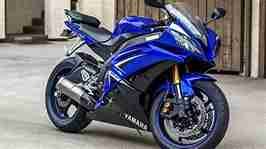
Speaking from personal experience, I’ve commuted daily on sport bikes for several years, and my experience highlights both the rewards and challenges. On one hand, the thrill of riding a sport bike every day makes even mundane commutes enjoyable. The precise handling allows me to weave through traffic safely and confidently, and features like ABS and traction control provide peace of mind in unpredictable urban conditions.
On the other hand, long rides in heavy traffic or on poorly maintained roads can be physically demanding. I quickly realized that investing in adjustable handlebars, seat padding, and proper riding gear dramatically improved comfort. My experience also taught me to pace myself during high-traffic periods, as aggressive riding on a sport bike in stop-and-go conditions can lead to unnecessary fatigue.
Practical Tips for Daily Sport Bike Riders
If you choose to ride a sport bike daily, there are several strategies to make the experience more comfortable and sustainable. First, ensure your ergonomics are adjusted properly. Adjustable handlebars, aftermarket seats, and footpeg positioning can significantly reduce strain. Second, invest in high-quality riding gear that protects and supports your body, especially on longer commutes. Third, maintain a smooth and controlled riding style to reduce wear on tires and brakes, which also minimizes fatigue. Finally, regular maintenance is essential; sport bikes require attention to keep them running smoothly and safely in daily use.
Comparing Sport Bikes to Alternatives for Daily Riding
When asking Are sport bikes good for daily riding?, it’s also helpful to compare them with alternatives like naked bikes, standard motorcycles, and adventure bikes. Naked bikes offer upright ergonomics, lower maintenance, and better fuel efficiency, making them highly practical for everyday commuting. Standard motorcycles strike a balance between comfort and performance, while adventure bikes provide versatility for various road conditions. While sport bikes excel in thrill and performance, they may not always be the most practical choice compared to these alternatives, especially for longer or more congested commutes.
Choosing the Right Sport Bike for Daily Use
If you decide that a sport bike is suitable for your daily riding needs, selecting the right model is crucial. Look for bikes with manageable engine sizes (typically 300cc to 600cc for beginners or daily commuters), adjustable ergonomics, and features like ABS and traction control. Fuel efficiency, maintenance accessibility, and insurance costs should also factor into your decision. Lightweight sport bikes often provide the best balance between performance and practicality, ensuring that your daily ride remains both exciting and sustainable.
Conclusion: Are Sport Bikes Good for Daily Riding?
The question Are sport bikes good for daily riding? does not have a one-size-fits-all answer. For riders who prioritize thrill, agility, and cutting-edge performance, sport bikes can offer an exhilarating daily commute. However, for those who value comfort, low maintenance, and practicality, sport bikes may present challenges that make alternatives like naked or standard motorcycles more suitable.
Ultimately, the decision comes down to your riding style, commute conditions, and willingness to adapt. With proper adjustments, gear, and riding techniques, a sport bike can be a viable and enjoyable choice for daily riding. Understanding the strengths and limitations of these machines ensures that your experience remains safe, comfortable, and rewarding.