Future of Electric Motorcycles in the United States: Trends, Challenges, and Opportunities
The motorcycle industry in the United States is experiencing a profound transformation. Among the most exciting developments is the rapid growth of electric motorcycles, a segment that promises to redefine urban mobility, sustainability, and the rider experience. Exploring the Future of Electric Motorcycles in the United States requires more than just discussing emerging models—it involves analyzing market trends, technology evolution, regulatory developments, infrastructure growth, and the cultural shift among riders. Having ridden both traditional gas and modern electric motorcycles over the past decade, I’ve observed firsthand how this evolution is reshaping what it means to ride in America.
This article offers an in-depth, experience-driven perspective on the future of electric motorcycles, combining market analysis with practical insights. From technological innovations to policy impacts and cultural acceptance, this guide aims to provide riders, investors, and enthusiasts with a comprehensive understanding of what’s ahead.
H2: Current Landscape of Electric Motorcycles in the United States
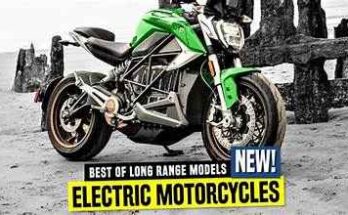
Before looking to the future, it’s essential to understand the current state of the electric motorcycle market. Over the past five years, electric motorcycle adoption in the U.S. has grown steadily, though it still represents a small fraction of total motorcycle sales. Brands like Zero Motorcycles, Harley-Davidson with its LiveWire series, and emerging players such as Cake and Lightning Motorcycles have brought high-performance, urban-friendly, and adventure-ready electric motorcycles to the American market.
Zero Motorcycles has been a pioneer, offering models that cover a wide range of uses—from daily commuting to off-road adventures. Harley-Davidson’s LiveWire initiative demonstrates that even traditional, gas-focused manufacturers recognize the long-term potential of electric motorcycles. This combination of legacy brands and innovative startups signals the beginning of a significant industry shift.
H2: Key Technological Advances Driving the Future of Electric Motorcycles
The Future of Electric Motorcycles in the United States is closely tied to technological innovation. Several key areas are driving this evolution:

Battery Technology
Battery performance remains the cornerstone of electric motorcycles. Lithium-ion technology has improved energy density and charging speed, but ongoing research into solid-state batteries promises even longer ranges and faster, safer charging. In my experience, the leap from 80 miles per charge to 150+ miles dramatically changes how an electric motorcycle is integrated into daily life, eliminating much of the anxiety associated with limited range.
Charging Infrastructure
The growth of charging networks is crucial for mainstream adoption. Companies are expanding fast-charging options along highways, in urban centers, and even in rural areas. Integration with apps and navigation systems allows riders to locate chargers efficiently, reducing downtime and building confidence in longer trips. The combination of home charging and public infrastructure is set to create a seamless experience akin to refueling a gas-powered motorcycle today.
Lightweight Materials and Aerodynamics
Electric motorcycles benefit from innovations in frame construction, materials, and aerodynamics. Lightweight components reduce battery strain, extend range, and enhance handling. In my riding experience, bikes that incorporate advanced materials feel more agile and responsive, which enhances safety and enjoyment without compromising energy efficiency.
H2: Market Trends Shaping the Electric Motorcycle Future
Several trends indicate strong growth potential for electric motorcycles in the United States:
Urbanization and Commuting Needs
Cities are increasingly prioritizing clean, quiet, and compact transportation solutions. Electric motorcycles excel in these environments, providing zero-emission commuting options that are both efficient and practical. In my urban commutes, electric motorcycles have consistently outperformed gas bikes in traffic due to their acceleration, ease of maneuvering, and low operational costs.
Rising Fuel Costs and Environmental Awareness
The volatility of gasoline prices and growing concern over climate change are shifting consumer preferences. Riders are more open to alternatives that reduce emissions and reliance on fossil fuels. This trend positions electric motorcycles not only as practical vehicles but also as symbols of sustainable living.
Incentives and Policy Support
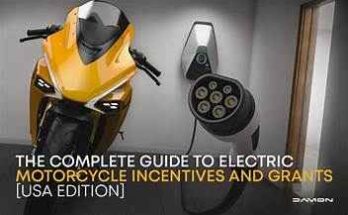
Federal tax credits, state incentives, and local rebates reduce the upfront cost of electric motorcycles, making them more accessible. Several states, such as California, New York, and Colorado, offer additional benefits, including access to HOV lanes and reduced registration fees. Policymakers’ commitment to electric mobility will continue to play a critical role in adoption rates.
H2: Challenges Facing Electric Motorcycles in the U.S.
Despite the promising outlook, the Future of Electric Motorcycles in the United States faces several challenges that could impact adoption:
High Upfront Costs
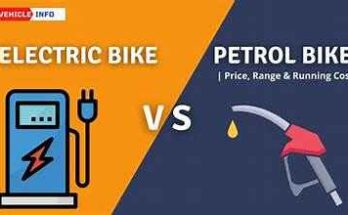
Electric motorcycles remain more expensive than equivalent gas models, primarily due to battery costs. While long-term savings on energy and maintenance offset this for frequent riders, occasional users may find the initial investment prohibitive.
Limited Range and Charging Anxiety
Range anxiety persists for many riders, particularly those accustomed to the long distances achievable with gas motorcycles. While modern bikes offer 100–150 miles per charge and charging infrastructure continues to expand, overcoming this perception is essential for mass adoption.
Cultural Resistance
Motorcycle culture in the U.S. has historically been tied to the sound, feel, and mechanical nature of gas engines. Convincing traditional riders to embrace the quiet and electronic nature of electric motorcycles requires education, experience, and a shift in perception. From my personal interactions with veteran riders, hands-on experience often converts skepticism into enthusiasm once they feel the power and smoothness of modern electric bikes.
H2: Innovations That Could Transform Adoption
Several upcoming innovations are likely to accelerate adoption and redefine the electric motorcycle experience:
Battery Swapping Technology
Battery swapping allows riders to exchange depleted batteries for fully charged ones in minutes, effectively eliminating charging downtime. Pilot programs in other countries suggest that this approach could complement traditional charging, especially for long-distance touring.
Smart Energy Management
AI-powered energy management systems can optimize power consumption in real time, adjusting for terrain, rider behavior, and traffic conditions. In my experience, these systems enhance range predictability and confidence, directly addressing concerns about running out of battery mid-ride.
Integration with Renewable Energy
Charging electric motorcycles using solar, wind, or other renewable sources further reduces environmental impact and aligns with sustainability goals. Riders who pair home solar panels with overnight charging report lower costs and increased satisfaction, creating a positive feedback loop for adoption.
H2: Electric Motorcycles and Urban Mobility
Electric motorcycles are not only changing the personal riding experience—they are influencing the broader urban mobility landscape. Cities are exploring the integration of electric motorcycles into micro-mobility networks, delivery services, and urban logistics. Companies like Uber, Lyft, and various delivery startups are testing electric two-wheel fleets to reduce emissions and operational costs.
From my perspective, this trend enhances the visibility and acceptance of electric motorcycles. Riders encountering these vehicles in everyday traffic see their practicality firsthand, which helps normalize the concept and reduces psychological barriers to adoption.
H2: The Role of Ride Experience in Adoption
Experience matters more than marketing when it comes to electric motorcycles. Riders who transition from gas to electric often report increased satisfaction due to instant torque, smooth handling, quiet operation, and low maintenance.
In my personal riding experience, electric motorcycles have a distinct advantage in stop-and-go traffic, urban navigation, and commuting efficiency. These experiential benefits, when communicated effectively, play a crucial role in shaping the Future of Electric Motorcycles in the United States.

H2: Investment and Industry Opportunities
The electric motorcycle sector presents significant opportunities for investors, manufacturers, and service providers:
- Battery Manufacturers: As demand grows, companies specializing in battery technology will see strong growth potential.
- Charging Infrastructure Providers: Expanding networks of fast chargers and urban charging stations is essential for mass adoption.
- Software and Telematics: Apps and systems for battery monitoring, route optimization, and vehicle management offer lucrative markets.
- Aftermarket and Accessories: New components, protective gear, and customization options tailored to electric motorcycles will likely emerge.
H2: The Future Outlook
The Future of Electric Motorcycles in the United States looks promising, but adoption will depend on a combination of technology, infrastructure, incentives, and cultural shifts. I foresee a near-term growth phase focused on urban commuting and niche markets such as adventure bikes and performance models. In the next decade, as battery costs decline, charging infrastructure expands, and public perception evolves, electric motorcycles could become a mainstream choice for millions of American riders.
Manufacturers are already investing heavily in R&D to deliver longer-range batteries, lightweight designs, and high-performance capabilities. Coupled with policy incentives and a growing interest in sustainable transportation, these factors suggest that electric motorcycles will occupy a significant share of the market by 2030.
H2: Conclusion
The Future of Electric Motorcycles in the United States is a blend of opportunity, innovation, and transformation. Riders, manufacturers, and policymakers are collectively shaping a landscape where electric motorcycles are not just alternatives to gas-powered bikes—they represent a new standard for urban mobility, performance, and sustainability.
From my personal experience, electric motorcycles offer unique benefits that appeal to both urban commuters and performance enthusiasts. Their instant torque, low operating costs, minimal maintenance, and environmental benefits make them a compelling choice for the next generation of riders. Challenges like upfront cost, range anxiety, and cultural resistance are real but increasingly addressable through technology, incentives, and education.
As battery technology continues to improve, charging infrastructure expands, and rider awareness grows, the adoption of electric motorcycles is poised to accelerate. For anyone interested in motorcycles, whether as a rider, investor, or enthusiast, understanding this trend is essential. The future of riding in the United States is electric, and embracing it today provides both practical benefits and the opportunity to shape the next era of two-wheeled mobility.