Electric Motorcycle Charging Cost in the USA: A Real-World Breakdown from Daily Riding Experience
One of the first questions people ask when they start looking into electric motorcycles isn’t about speed or range—it’s about money. More specifically, they want to know the Electric Motorcycle Charging Cost in the USA and whether owning one actually saves money compared to a gas-powered bike. This is a fair question, and after years of riding, charging, tracking utility bills, and speaking with other electric motorcycle owners across different states, I can confidently say the answer is more nuanced than most articles online suggest.
This guide is written from real ownership experience, not speculation. I’ll walk you through actual charging costs, how electricity prices vary by state, what home charging really costs, how public charging fits into the picture, and how electric motorcycle charging compares to gasoline over time. The goal is to give you clarity, not marketing optimism, so you can decide whether an electric motorcycle truly makes financial sense for your lifestyle.
Understanding Electric Motorcycle Charging Cost in the USA
At its core, electric motorcycle charging cost is determined by three things: how much electricity your bike uses, how much electricity costs where you live, and how often you charge. That sounds simple, but the details matter.

From my own experience, one of the biggest mindset shifts is moving away from “price per fill-up” and instead thinking in terms of “cost per mile.” This is where electric motorcycles quietly outperform gas bikes.
H2: Average Electric Motorcycle Charging Cost in the USA
To understand the Electric Motorcycle Charging Cost in the USA, you first need to look at national electricity prices. On average, residential electricity in the U.S. costs roughly between 13 and 17 cents per kWh, depending on the state and utility provider. Some states, like California and Hawaii, are higher, while others, such as Texas or parts of the Midwest, are significantly lower.
Most electric motorcycles consume between 6 and 15 kWh to fully charge, depending on battery size and riding style. In real-world terms, a full charge at home often costs between one and three dollars. That charge can deliver anywhere from 60 to well over 120 miles of city riding.
When I first started tracking my charging costs, I was surprised by how little they added to my monthly expenses. Even riding almost daily, the increase on my electric bill was barely noticeable compared to what I used to spend on fuel.
Home Charging vs Public Charging Costs
Home charging is where electric motorcycles are most cost-effective. Charging overnight during off-peak hours can reduce costs even further, especially if your utility offers time-of-use pricing.
Public charging, on the other hand, varies widely. Some stations offer free charging, especially at workplaces or retail locations. Others charge by the kWh or by time. Public charging can cost more than home charging, but it’s still usually cheaper than gasoline.
In my experience, public charging is best viewed as a convenience rather than a necessity. Most electric motorcycle owners rely primarily on home charging, using public chargers only when needed.
H2: Electric Motorcycle Charging Cost in the USA Compared to Gasoline
This is where electric motorcycles truly shine. When you compare charging costs to gasoline expenses, the difference becomes clear over time.
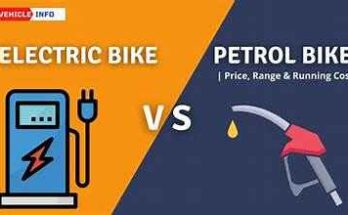
A typical gas motorcycle might average 45 to 55 miles per gallon. At current fuel prices, that can translate to 8 to 12 cents per mile or more. Electric motorcycles often cost between 2 and 4 cents per mile to operate based on electricity usage.
Over the course of a year, especially for commuters, that difference adds up. Riders covering 5,000 to 10,000 miles annually can save hundreds of dollars just in energy costs alone. From my own records, switching to electric cut my “fuel” expenses by more than half.
State-by-State Variations in Charging Costs
The Electric Motorcycle Charging Cost in the USA isn’t the same everywhere. Electricity rates vary significantly by state and even by city.
In states with higher electricity costs, charging is still relatively inexpensive compared to gasoline, but the savings margin narrows. In states with low electricity costs, electric motorcycles become incredibly economical to operate.
I’ve spoken with riders in different regions, and the consensus is consistent: even in high-cost states, electric motorcycles remain cheaper to “fuel” than gas bikes, especially when charged at home.
H2: How Riding Style Affects Charging Cost
Your riding habits have a major impact on charging costs. City riding is typically more efficient for electric motorcycles due to lower speeds and regenerative braking. Highway riding consumes more energy and reduces overall efficiency.
Aggressive acceleration, sustained high speeds, and carrying heavy loads can increase energy usage. Conversely, smooth riding and moderate speeds maximize range and minimize cost.
Over time, most riders naturally adapt their riding style to optimize efficiency without even thinking about it. I’ve noticed that electric riding encourages smoother, more relaxed riding, which benefits both cost and comfort.
Battery Size and Its Impact on Charging Cost
Battery capacity plays a significant role in charging cost, but not always in the way people expect. Larger batteries cost more to fully charge, but they also offer more range, meaning you charge less frequently.
Smaller batteries are cheaper per charge but may require more frequent charging depending on your commute. The total cost over time often balances out based on how much you ride rather than battery size alone.
Choosing the right battery capacity for your needs is key. Overbuying range you don’t need can increase upfront costs without significantly improving daily charging economics.
H2: Charging Efficiency and Energy Loss
No charging system is 100% efficient. Some energy is lost as heat during charging, especially with faster chargers. However, these losses are relatively small and don’t drastically impact overall cost.
From real-world monitoring, most home charging setups are efficient enough that energy loss adds only a few cents per charge. Compared to the inefficiencies of internal combustion engines, electric motorcycles remain far more energy-efficient overall.

Maintenance Savings Beyond Charging Cost
While this article focuses on the Electric Motorcycle Charging Cost in the USA, it’s important to view charging as part of a larger ownership picture.
Electric motorcycles have significantly lower maintenance costs. There are no oil changes, no fuel system issues, no exhaust components, and fewer moving parts overall. Over time, these savings often exceed charging cost differences entirely.
From my own ownership experience, the reduction in maintenance-related expenses has been just as impactful as the savings on electricity.
H2: Long-Term Cost of Ownership Perspective
Charging cost alone doesn’t define value, but it plays a central role in long-term affordability. When combined with lower maintenance, fewer consumables, and reduced downtime, electric motorcycles often become more economical the longer you own them.
For riders who commute regularly, the savings compound year after year. Even for casual riders, the predictability of electricity pricing offers peace of mind compared to fluctuating fuel prices.
Environmental and Social Cost Considerations
While not directly reflected on your utility bill, environmental impact is part of the broader cost conversation. Electric motorcycles produce zero tailpipe emissions, improving air quality in urban areas.
Many riders I’ve spoken with appreciate the quieter operation and reduced environmental footprint, even if their initial motivation was financial. These benefits don’t show up as numbers on a spreadsheet, but they matter.
H2: Is Electric Motorcycle Charging Cost in the USA Worth It?
So, is the Electric Motorcycle Charging Cost in the USA worth it? For most riders, the answer is yes—especially if you charge at home and ride regularly.
Electric motorcycles offer some of the lowest per-mile transportation costs available today. They reward consistent use, efficient riding, and thoughtful charging habits.
They may not be ideal for every rider or every situation, but from a cost perspective, they are undeniably competitive—and often superior—to gas-powered alternatives.
Common Misconceptions About Charging Costs
One common misconception is that charging an electric motorcycle significantly increases your electricity bill. In reality, the increase is often modest, especially compared to other household energy usage.
Another misconception is that public charging is always expensive. While some fast chargers carry premium pricing, many public charging options are affordable or even free.
Understanding these realities helps set realistic expectations and avoid unnecessary concerns.
H2: Final Thoughts on Electric Motorcycle Charging Cost in the USA
After years of riding, charging, and tracking expenses, I can say that electric motorcycle charging costs are one of the strongest arguments in favor of electric ownership. They’re predictable, affordable, and easy to manage.
The real value comes from consistency. Knowing exactly what your “fuel” costs each month removes uncertainty and makes budgeting easier. Combined with lower maintenance and smoother daily riding, electric motorcycles offer a compelling financial and practical advantage.
If you’re considering an electric motorcycle and charging cost is a major concern, rest assured that for most riders in the United States, charging is not only affordable—it’s one of the biggest benefits of going electric.