Cruiser vs Touring Motorcycle – Key Differences: A Real-World Rider’s Comparison Built on Miles, Not Marketing
If you’ve spent any time around motorcycles, you’ve probably heard the debate: cruiser or touring bike? On the surface, they can look similar—large engines, relaxed riding positions, and a focus on comfort rather than outright speed. But after owning, riding, and traveling long distances on both types, I can tell you the differences run much deeper than appearance.
This in-depth guide to Cruiser vs Touring Motorcycle – Key Differences is written from the perspective of a rider who has lived with both styles, put real miles on them, and learned their strengths and limitations the hard way. It’s not about declaring one “better” than the other. It’s about understanding which motorcycle truly fits your riding style, goals, and expectations so you don’t end up with buyer’s remorse after the honeymoon phase wears off.
Understanding the Cruiser vs Touring Motorcycle – Key Differences at a Glance
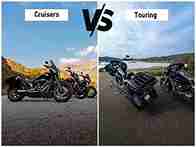
At their core, cruisers and touring motorcycles are built with different priorities. Cruisers focus on style, simplicity, and a relaxed riding experience, often rooted in classic motorcycle design. Touring motorcycles, on the other hand, are purpose-built machines designed to carry riders and gear comfortably across long distances, day after day.
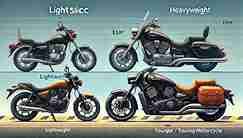
The Cruiser vs Touring Motorcycle – Key Differences become obvious once you move beyond short rides and start thinking in terms of hours, weather changes, luggage, and long-term comfort. What feels optional on a cruiser becomes essential on a touring bike.
Design Philosophy and Intended Use
Cruisers are often designed to evoke emotion. Their low seat heights, stretched-out profiles, and minimalist styling are meant to make you feel connected to the road and the machine. They excel at relaxed rides, scenic routes, and cruising at moderate speeds. Many riders are drawn to cruisers because of their timeless aesthetic and the visceral feel of the engine beneath them.
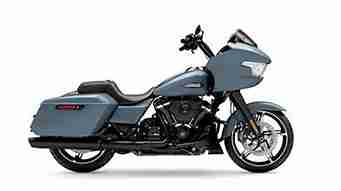
Touring motorcycles are designed with function leading form. Every part serves a purpose: wind protection, storage, rider comfort, and stability at highway speeds. In the Cruiser vs Touring Motorcycle – Key Differences, this philosophy gap explains why touring bikes may look bulky but feel incredibly composed when the miles pile up.
Riding Position and Long-Term Comfort
One of the most noticeable differences between cruisers and touring motorcycles is the riding position. Cruisers typically place the rider low to the ground with forward or mid-mounted foot controls. This can feel extremely comfortable for shorter rides, allowing the rider to relax and enjoy the scenery.
However, over long distances, that stretched-out position can put strain on the lower back and hips, especially if the seat lacks proper support. Touring motorcycles usually offer a more upright seating position, keeping the spine aligned and weight evenly distributed. This ergonomic advantage is one of the most important Cruiser vs Touring Motorcycle – Key Differences for riders planning multi-day trips.
Seats also differ significantly. Touring bikes usually come with wider, thicker, and better-contoured seats designed for hours in the saddle. While many cruiser owners upgrade seats aftermarket, touring motorcycles are typically ready for long-distance comfort straight from the factory.
Engine Characteristics and Power Delivery
Both cruisers and touring motorcycles often feature large-displacement engines, but how that power is delivered differs. Cruiser engines are tuned for low-end torque and a relaxed feel. They encourage smooth, unhurried riding and reward riders who enjoy rolling on the throttle rather than chasing high RPMs.
Touring motorcycles also emphasize torque, but they are often tuned for sustained highway cruising. Engines in touring bikes tend to run at lower stress levels at highway speeds, which reduces vibration and fatigue. In the Cruiser vs Touring Motorcycle – Key Differences, this translates to touring bikes feeling calmer and more composed after hours of continuous riding.
Wind Protection and Weather Readiness
Wind management is one area where the differences are impossible to ignore. Many cruisers come with little to no wind protection in stock form. This keeps the look clean and classic, but it means the rider absorbs all the wind pressure at highway speeds.
Touring motorcycles are built with wind protection as a core feature. Fairings, windshields, and aerodynamic design reduce fatigue and shield riders from weather changes. On long trips, especially in unpredictable climates, this becomes one of the most practical Cruiser vs Touring Motorcycle – Key Differences.
Riding into a headwind or sudden rainstorm on a touring bike feels manageable. Doing the same on a cruiser can be exhausting if you’re not prepared or equipped with aftermarket accessories.
Luggage Capacity and Practical Storage
Storage is another defining difference. Cruisers often require aftermarket saddlebags or tail bags if you want to carry gear. While these solutions work, they are usually limited in capacity and weather resistance.
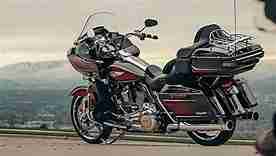
Touring motorcycles are designed to carry luggage from the start. Integrated hard cases, top boxes, and secure mounting systems allow riders to pack everything needed for extended trips. In real-world use, this practicality becomes a major factor in the Cruiser vs Touring Motorcycle – Key Differences, especially for riders who travel with camping gear or ride two-up.
Handling, Weight, and Stability
Cruisers tend to be lighter and lower, which makes them feel approachable and manageable at low speeds. Their low center of gravity helps with confidence, especially for newer riders. However, their geometry and suspension are often optimized for straight-line cruising rather than aggressive cornering or high-speed stability.
Touring motorcycles are heavier, sometimes significantly so. That weight can feel intimidating at first, but on the highway it becomes an advantage. Touring bikes track straight, handle crosswinds better, and feel planted even when fully loaded. This stability is a critical Cruiser vs Touring Motorcycle – Key Differences factor for riders spending long hours on interstates.
Technology and Rider Aids
Modern touring motorcycles often come equipped with advanced technology designed to reduce fatigue and enhance safety. Features like cruise control, electronic suspension adjustment, heated grips, navigation systems, and rider modes are increasingly common.
Cruisers, especially traditional models, tend to keep technology minimal to preserve a classic feel. While this simplicity appeals to many riders, it also highlights one of the more practical Cruiser vs Touring Motorcycle – Key Differences. On long rides, features like cruise control can significantly reduce wrist and shoulder fatigue.
Maintenance, Reliability, and Ownership Experience
Maintenance considerations vary between cruisers and touring motorcycles. Cruisers often have simpler designs with easier access to components, making routine maintenance straightforward. Many cruiser owners enjoy performing their own maintenance as part of the ownership experience.
Touring motorcycles, with their added technology and bodywork, can be more complex to service. However, they are usually designed for high-mileage use, with longer service intervals and proven reliability. In the long run, the Cruiser vs Touring Motorcycle – Key Differences here come down to whether you value mechanical simplicity or long-distance durability.
Passenger Comfort and Two-Up Riding
Riding with a passenger highlights differences that solo riders might overlook. Cruisers can handle two-up riding, but passenger comfort varies widely depending on seat size and suspension quality.
Touring motorcycles are built with passengers in mind. Large passenger seats, backrests, and dedicated footpegs make long rides more enjoyable for both people. For couples who ride together frequently, this becomes one of the most decisive Cruiser vs Touring Motorcycle – Key Differences.
Cost and Value Over Time
Cruisers often have lower entry costs, especially in the used market. Their simpler construction and lower initial price make them appealing to riders who want an enjoyable motorcycle without a large financial commitment.
Touring motorcycles are more expensive upfront, but they often deliver strong long-term value for riders who use them as intended. When you factor in comfort, reduced fatigue, and built-in features, the cost difference can make sense. Over years of ownership, the Cruiser vs Touring Motorcycle – Key Differences in value depend heavily on how and how often you ride.
Choosing Between Cruiser vs Touring Motorcycle – Key Differences That Matter Most
Choosing between a cruiser and a touring motorcycle isn’t about trends or opinions—it’s about honesty with yourself. If your riding consists of short trips, weekend rides, and enjoying the journey at a relaxed pace, a cruiser may be exactly what you want.
If your goals include long-distance travel, multi-day trips, and riding through varying weather and terrain, a touring motorcycle will likely serve you better. The key Cruiser vs Touring Motorcycle – Key Differences show up most clearly when you ride beyond your comfort zone and discover what your motorcycle can truly handle.
Lessons Learned From Real Ownership
After years of switching between cruisers and touring bikes, one lesson stands out: compromise always shows up eventually. A cruiser can tour, and a touring bike can cruise, but each excels when used for its intended purpose.
The more honest you are about your riding habits, the happier you’ll be with your choice. Understanding the real-world Cruiser vs Touring Motorcycle – Key Differences saves money, frustration, and regret down the road.
Final Thoughts on Cruiser vs Touring Motorcycle – Key Differences
Both cruisers and touring motorcycles offer deeply rewarding experiences, but they deliver that reward in different ways. Cruisers shine in simplicity, style, and emotional connection. Touring motorcycles excel in comfort, capability, and endurance.
There is no universal “best” choice—only the best choice for you. By understanding the true Cruiser vs Touring Motorcycle – Key Differences, you can choose a motorcycle that supports your riding dreams rather than limiting them.
When the bike matches your purpose, every ride feels intentional, whether it’s a quiet evening cruise or a thousand-mile journey across state lines. That alignment between rider and machine is what turns riding into something more than transportation—it becomes a way of life.