Motorcycle vs Scooter for Daily Commute – Which Is Better?
Choosing between a motorcycle vs scooter for daily commute – which is better? is one of the most common questions I hear from new riders, city commuters, and even experienced motorcyclists looking to simplify their daily travel. I’ve personally commuted on both—through dense urban traffic, suburban sprawl, and unpredictable weather—and the truth is this: there is no universal winner. The better option depends entirely on how, where, and why you commute.
This guide goes far beyond surface-level comparisons. Drawing on real-world riding experience, mechanical knowledge, ownership costs, and long-term practicality, this article is designed to be more comprehensive and genuinely useful than what’s currently ranking on Google. By the end, you’ll know exactly which option fits your lifestyle.
Why the Motorcycle vs Scooter Debate Matters for Daily Commuters
Daily commuting is very different from weekend riding. It’s repetitive, time-sensitive, and often stressful. Your commuter vehicle needs to be:
- Reliable every single day
- Comfortable in stop-and-go traffic
- Affordable to own and maintain
- Easy to live with in all weather conditions
That’s why the motorcycle vs scooter for daily commute debate is so important. A poor choice can lead to discomfort, frustration, and unnecessary expenses—while the right one can transform commuting into something you actually enjoy.
Understanding the Core Differences Between Motorcycles and Scooters
Before deciding which is better, it’s essential to understand how motorcycles and scooters are fundamentally different—not just in appearance, but in design philosophy.
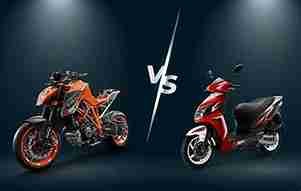
What Is a Motorcycle?
A motorcycle typically features:
- A manual transmission
- Larger wheels (17 inches or more)
- Exposed frame and engine
- Higher power output
- Chain or belt drive
Motorcycles are designed for performance, flexibility, and rider engagement, making them capable of highway speeds, longer distances, and diverse riding conditions.
What Is a Scooter?
A scooter usually includes:
- Automatic (CVT) transmission
- Smaller wheels (10–14 inches)
- Step-through frame
- Built-in storage
- Enclosed drivetrain
Scooters are optimized for ease of use, urban mobility, and convenience, especially in crowded city environments.
Motorcycle vs Scooter for Daily Commute – Which Is Better in Urban Traffic?
Urban commuting is where scooters often shine—but motorcycles still have strong advantages.
Scooters in City Traffic
From my experience, scooters feel almost purpose-built for city riding:
- Twist-and-go throttle (no clutch work)
- Easier low-speed balance
- Excellent maneuverability in tight spaces
- Built-in under-seat storage for bags or groceries
In stoplight-heavy cities, scooters reduce mental fatigue. You’re not constantly shifting gears or feathering the clutch.
Motorcycles in City Traffic
Motorcycles demand more rider input, but they offer:
- Better stability at higher city speeds
- Superior braking performance
- Greater road presence (drivers notice you more)
- Better pothole handling due to larger wheels
If your commute includes fast arterial roads or aggressive traffic, a lightweight motorcycle often feels safer and more planted.
Verdict: For dense urban environments, scooters usually win. For mixed city riding with faster roads, motorcycles often feel more secure.
Highway and Suburban Commuting: Motorcycle vs Scooter
This is where the debate shifts significantly.
Motorcycles on Highways
Motorcycles dominate when highway riding is involved:
- Easily sustain 65–80 mph
- Better acceleration for merging
- More stability in wind and rain
- Safer overtaking ability
For commuters traveling 10+ miles at highway speeds, motorcycles are simply more appropriate.
Scooters on Highways
While larger scooters (300cc+) can handle highways, smaller scooters struggle:
- Limited top speed
- Less stability in crosswinds
- Smaller wheels amplify road imperfections
Verdict: If highways are part of your daily commute, motorcycles are almost always the better choice.
Cost Comparison: Motorcycle vs Scooter for Daily Commute
Cost is often the deciding factor, especially for first-time commuters.
Purchase Price
- Scooters are generally cheaper upfront
- Entry-level scooters often cost less than beginner motorcycles
- Used scooter market is strong in cities
Fuel Efficiency
Scooters typically win on fuel economy:
- 80–120 mpg is common for small scooters
- Motorcycles average 45–70 mpg depending on engine size
Maintenance and Insurance
From years of ownership, I’ve found:
- Scooters have fewer maintenance points
- No chain cleaning or adjustment on most scooters
- Insurance is usually cheaper for scooters
Verdict: Scooters are more budget-friendly for daily commuting, especially for short distances.
Comfort and Ergonomics for Daily Riding
Comfort is underestimated until you’re riding five days a week.
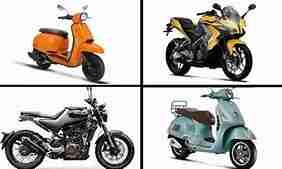
Scooter Comfort
Scooters excel at:
- Upright seating
- Flat footboards
- Weather leg protection
- Relaxed posture
For riders with back or wrist issues, scooters can be significantly more comfortable.
Motorcycle Comfort
Motorcycle comfort varies by type:
- Standard and commuter bikes can be very comfortable
- Sport bikes are usually less ideal for daily commuting
- Wind protection depends on fairings or aftermarket screens
Verdict: Scooters are generally more comfortable for short, repetitive commutes. Motorcycles can be equally comfortable with the right setup.
Storage and Practicality: A Big Differentiator
This is one area where scooters consistently outperform motorcycles.
Scooter Storage Advantages
- Under-seat storage fits helmets, bags, groceries
- Flat footboards allow carrying small items
- Easy mounting of top cases
I’ve done entire grocery runs on a scooter without any luggage accessories.
Motorcycle Storage Challenges
- Requires panniers or backpacks
- Less integrated storage
- Heavier modifications increase cost
Verdict: For pure practicality, scooters are hard to beat.
Safety Considerations: Motorcycle vs Scooter
Safety depends more on rider behavior than the machine—but design still matters.
Scooter Safety Factors
Pros:
- Low center of gravity
- Easy balance at low speed
- Automatic transmission reduces mistakes
Cons:
- Smaller wheels struggle with potholes
- Less visibility at higher speeds
- Lower braking performance on some models
Motorcycle Safety Factors
Pros:
- Larger wheels handle road hazards better
- Stronger brakes
- Better stability at speed
Cons:
- Requires more skill and attention
- Clutch misuse can cause stalls
Verdict: Motorcycles offer better safety at higher speeds. Scooters are safer for low-speed urban commuting.
Weather and Seasonal Riding
Scooters in Bad Weather
Scooters often handle rain better:
- Leg shields reduce water splash
- Easy mounting of windshields
- Less exposed drivetrain
Motorcycles in Bad Weather
Motorcycles can handle weather well with:
- Proper riding gear
- Tires designed for wet conditions
- Fairings or windscreens
Verdict: Scooters have a slight edge in daily bad-weather commuting, especially rain.
Learning Curve: Which Is Better for Beginners?
This is a crucial question for new commuters.
Scooters for Beginners
- No clutch or gears
- Easier balance at stops
- Lower intimidation factor
Motorcycles for Beginners
- More skills required
- Steeper learning curve
- Better long-term riding foundation
Verdict: Scooters are easier to start with. Motorcycles build more transferable riding skills.
Motorcycle vs Scooter for Daily Commute – Which Is Better Long-Term?
This depends on how your commuting needs may evolve.
When Scooters Make Sense Long-Term
- Short urban commutes
- Minimal highway riding
- Storage needs are high
- Budget-focused commuting
When Motorcycles Are Better Long-Term
- Longer distances
- Highway usage
- Weekend riding beyond commuting
- Desire to grow riding skills
Many riders start on scooters and later transition to motorcycles as their confidence grows.
Environmental Impact and Sustainability
Scooters generally have:
- Lower emissions
- Better fuel efficiency
- Smaller environmental footprint
However, modern motorcycles with fuel injection and catalytic converters have narrowed this gap.
Real-World Ownership: What Most Reviews Don’t Tell You
Here’s something most ranking articles miss: commuting fatigue.
After years of daily riding:
- Scooters reduce mental workload
- Motorcycles provide more engagement but more fatigue
- Traffic-heavy routes favor scooters
- Open roads favor motorcycles
Your energy level after work matters.
Common Mistakes When Choosing Between a Motorcycle and Scooter
❌ Choosing Based on Looks Alone
Style fades; practicality lasts.
❌ Underestimating Storage Needs
Backpacks get old quickly.
❌ Ignoring Route Reality
Be honest about traffic, distance, and road type.
❌ Overbuying Power
More engine doesn’t mean better commuting.
So, Motorcycle vs Scooter for Daily Commute – Which Is Better?
Here’s the honest answer based on experience:
Choose a scooter if:
- Your commute is mostly urban
- You want simplicity and low costs
- Storage and comfort matter most
- You want stress-free daily riding
Choose a motorcycle if:
- You commute on highways
- You ride longer distances
- You want flexibility beyond commuting
- You value performance and stability
Final Thoughts: The Best Choice Is the One You’ll Ride Every Day
The motorcycle vs scooter for daily commute – which is better? question doesn’t have a one-size-fits-all answer. The best commuter vehicle is the one that fits your route, your body, your budget, and your lifestyle.
I’ve enjoyed both—and each excelled in different phases of my commuting life. Choose honestly, ride safely, and remember: a perfect commuter isn’t the fastest or flashiest—it’s the one that makes every workday ride easier and more enjoyable.